Service & Maintenance in Darwin
Darwins Trusted Plumbing, Gas & Hot Water Specialists since 2002
24/7 Emergency Plumbing
Three Generations of Territory Experience
Residential & Commercial Plumbing
Darwin | Palmerston | Rural NT
Plumbers in Darwin
Prevent Problems Before They Start
Rated by Darwin Homeowners & Businesses
24/7 Emergency Plumbing
Three Generations of Territory Experience
Residential & Commercial Plumbing
Darwin * Palmerston * Rural NT
Unexpected plumbing failures can shut down facilities and create serious safety risks. Proactive service and maintenance is the difference between smooth daily operations and costly emergency callouts. Tap & Drain Dr NT delivers structured plumbing maintenance programs across Darwin, Palmerston and Katherine, supporting hospitals, shopping centres, day care centres and petrol stations with dependable system oversight. High use environments demand more than reactive repairs. They require scheduled inspections, early fault detection and prompt rectification to maintain safety and compliance.
Comprehensive service and maintenance covers pipework inspections, leak detection, drainage assessments, hot water system checks, gas line testing and fixture performance reviews. Identifying worn components or pressure irregularities early reduces the likelihood of major disruptions. Facilities that operate around the clock rely on plumbing that performs without fail. For professional maintenance support tailored to your site, call
(08) 8947 2343 today.
Get a Free Plumbing Quote
Thank you for contacting Tap & Drain Doctor NT.
We will get back to you as soon as possible.
Oops, there was an error sending your message.
Please try again later.
We respect your privacy. Your Details are never shared with third parties
Frequently Asked Questions
How often should commercial plumbing systems be serviced?
The frequency of servicing depends on the type of facility and usage levels. High traffic sites such as hospitals and shopping centres may require quarterly inspections, while smaller facilities may operate effectively with biannual or annual servicing. Preventative maintenance helps identify leaks, blockages and worn components before they result in major system failure or downtime.
What does a plumbing maintenance program include?
A structured maintenance program typically involves inspection of pipework, testing of water pressure, checking for leaks, servicing hot water systems, reviewing drainage performance and ensuring compliance devices such as backflow prevention systems are functioning correctly. Detailed reports may also be provided outlining any recommended repairs or upgrades.
Is plumbing maintenance required for compliance in commercial buildings?
Many commercial properties are subject to regulations requiring routine inspection of specific systems such as backflow devices and gas installations. Failing to maintain these systems can result in fines or operational restrictions. Scheduled maintenance ensures ongoing compliance and documentation to meet regulatory standards.
Reliable Systems For High Demand Sites
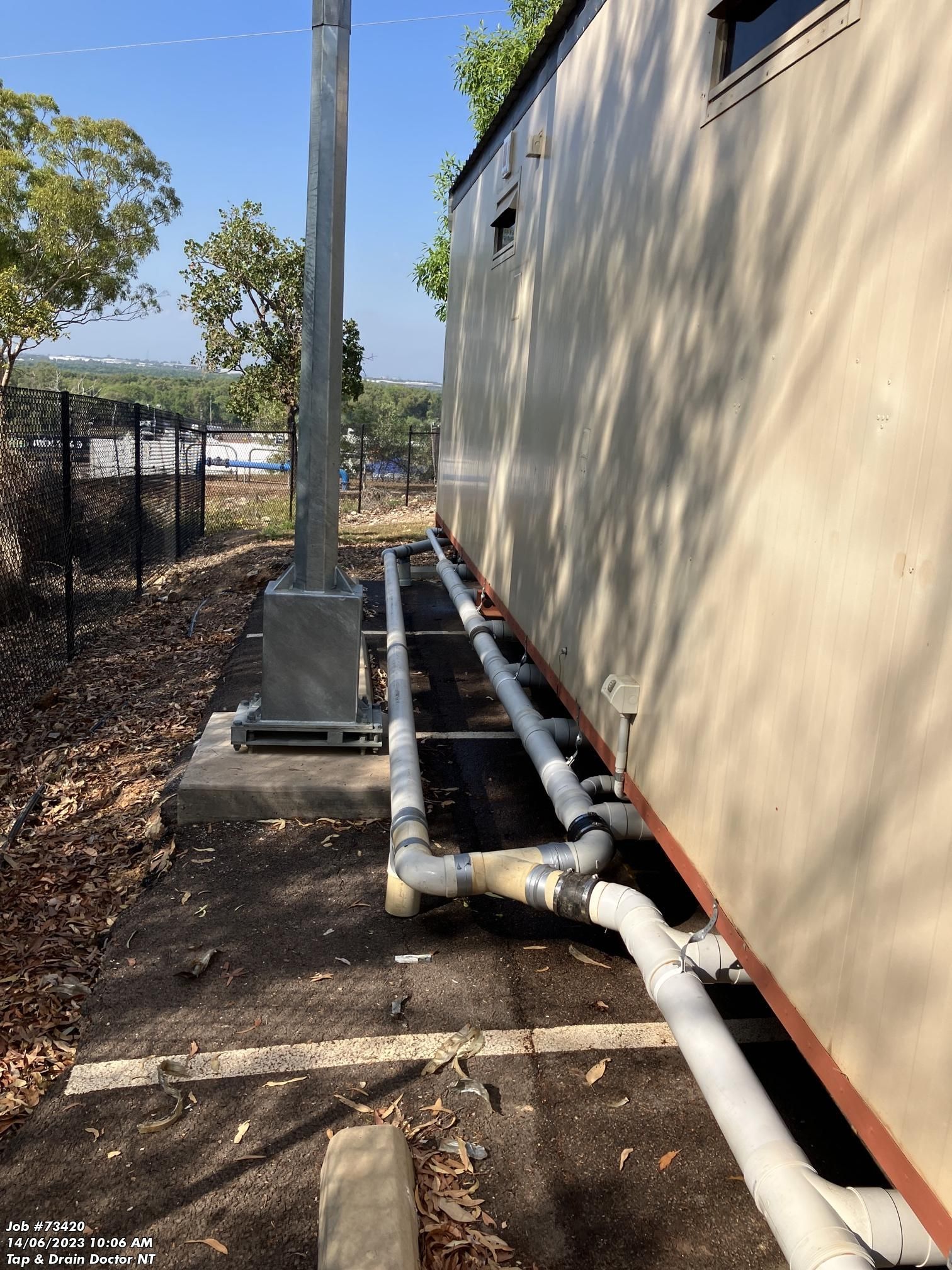
Commercial and public facilities place constant pressure on plumbing infrastructure. In high demand environments there is little room for failure. Hospitals rely on uninterrupted hot water and clean water supply for patient care. Shopping centres manage continuous bathroom usage every day. Day care centres require hygienic systems that protect children and staff. Without consistent servicing, small faults can quickly develop into costly system wide disruptions.
A structured maintenance approach focuses on the areas that matter most, including:
- Routine backflow device testing & certification
- Drainage inspections to prevent blockages & overflows
- Hot water system servicing to ensure consistent supply
- Leak detection & pressure testing to protect infrastructure
- Compliance checks to meet regulatory obligations
Planned servicing keeps systems operating within safe pressure limits and reduces the risk of emergency shutdowns. It also assists with forward budgeting by identifying repairs before they become urgent. For facility managers, that means fewer surprises, smoother operations and confidence that essential plumbing systems are being professionally monitored.