Backflow Prevention in Darwin
Darwins Trusted Plumbing, Gas & Hot Water Specialists since 2002
24/7 Emergency Plumbing
Three Generations of Territory Experience
Residential & Commercial Plumbing
Darwin | Palmerston | Rural NT
Plumbers in Darwin
Protecting Your Water Supply
Rated by Darwin Homeowners & Businesses
24/7 Emergency Plumbing
Three Generations of Territory Experience
Residential & Commercial Plumbing
Darwin * Palmerston * Rural NT
Clean drinking water should never be left to chance. Backflow occurs when the normal direction of water flow reverses inside your pipes, allowing contaminated water to enter the main supply. If Power and Water’s system experiences a pressure drop, the flow direction can change suddenly and draw pollutants into your property’s plumbing. A severe backflow incident can put your health and your family’s safety at serious risk.
Tap & Drain Dr NT provides accredited backflow prevention services across Darwin, Palmerston and Katherine. Qualified plumbers assess your property to determine the correct hazard level and ensure appropriate protection is in place. Approved devices include a break tank with a registered air gap, Reduced Pressure Zone Device RPZD, Double Check Valve DCV and Dual Check Valve DuCV. All testing and maintenance are completed annually to prevent contamination, with full documentation submitted directly to Power and Water. If a device fails inspection, a hazard test report and clear quote for repairs are provided. To book certified backflow testing, call
(08) 8947 2343 today.
Get a Free Plumbing Quote
Thank you for contacting Tap & Drain Doctor NT.
We will get back to you as soon as possible.
Oops, there was an error sending your message.
Please try again later.
We respect your privacy. Your Details are never shared with third parties
Frequently Asked Questions
What is backflow and why is it dangerous?
Backflow is the reversal of normal water flow within a plumbing system. Instead of clean water moving into a property, contaminated water can be drawn back into the supply when pressure drops. This can occur during a burst water main, heavy water usage or when pumps are connected to a system.
Contaminants may include chemicals, fertilisers or waste from connected systems. Without a properly functioning prevention device, these substances can enter drinking water and pose serious health risks.
Is backflow testing mandatory in the Northern Territory?
Certain properties, particularly commercial buildings, industrial sites and properties with irrigation or fire systems, are required to have backflow prevention devices installed and tested annually.
Local regulations enforced by Power and Water require certification and documentation to confirm compliance. Failure to test and maintain devices can result in penalties and increased health risks. Property owners are responsible for ensuring devices are inspected by accredited professionals each year.
What happens if a backflow device fails inspection?
If a device does not meet performance standards during testing, it must be repaired or replaced to restore compliance. A hazard test report is usually prepared outlining the issue and recommended rectification work.
Once repairs are completed, the device is retested to confirm it meets regulatory requirements. Prompt action prevents potential contamination and ensures documentation can be submitted to the relevant authority without delay.
Testing, Compliance & Ongoing Protection
Backflow is commonly triggered by sudden changes in water pressure within the supply network. When pressure drops unexpectedly, water can reverse direction and flow back into the potable supply. This can occur if there is a break in the water main, excess water is pumped from the system or a connected pump creates reverse flow. Even above ground pipework can be affected when pressure conditions shift. Without a properly installed prevention device, contaminated water from irrigation systems, fire services or commercial equipment may enter the drinking supply.
Backflow incidents are often caused by:
- Breaks or faults within the main water supply
- Excess water being drawn from the network
- Pumps creating reverse pressure in connected systems
- Irrigation systems connected to potable water lines
- Fire services or commercial equipment without protection devices
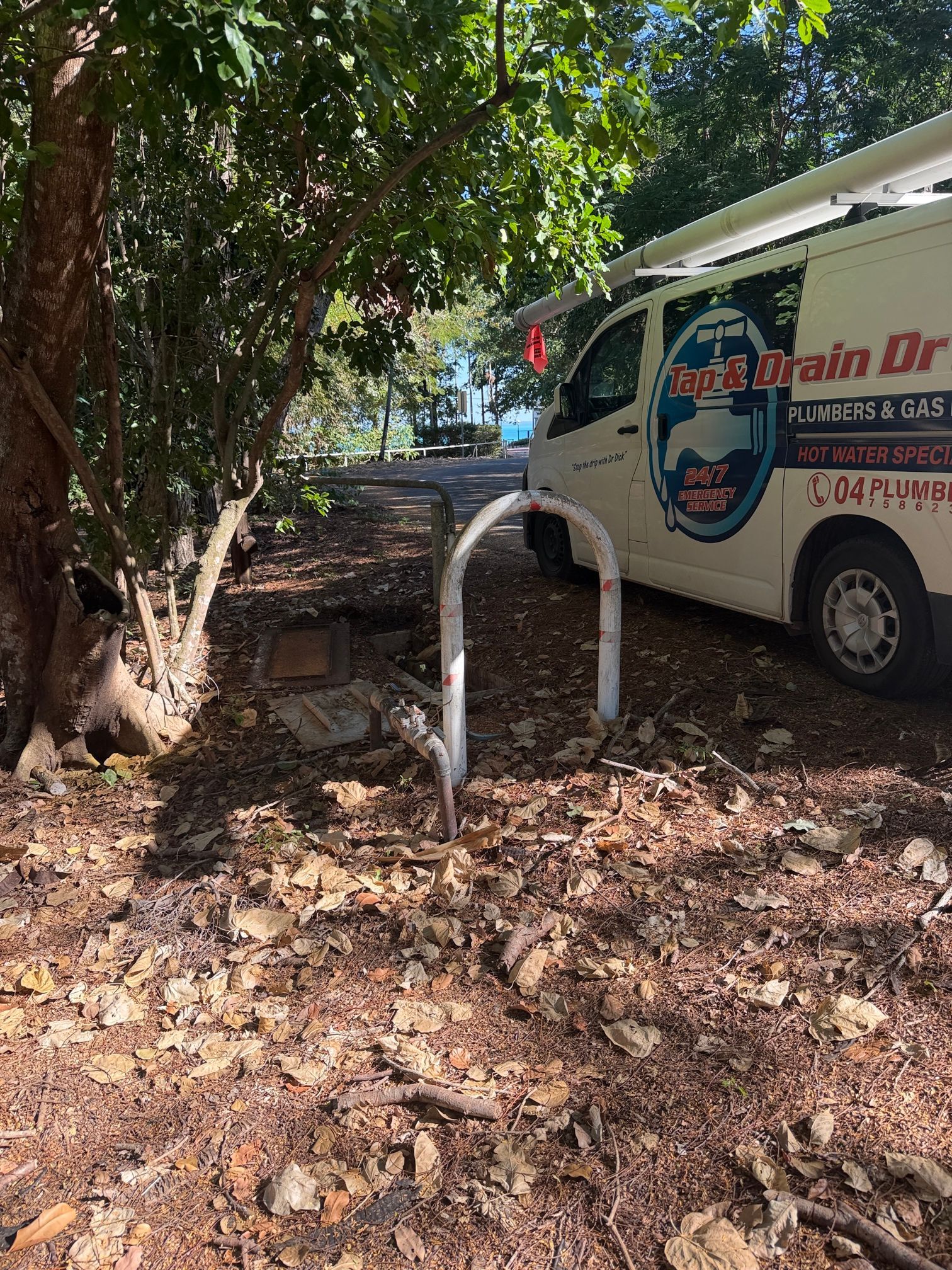
Properties without a compliant backflow prevention device can be assessed on site and upgraded to meet current standards. Once installed, annual testing is required under Power and Water regulations. Devices are inspected, serviced and certified to ensure ongoing protection and compliance.